Everything you want.
Nothing on your doorstep.
Why we built Cart to Nowhere: a place to enjoy the choosing, the anticipation and the arrival of something entirely imaginary.
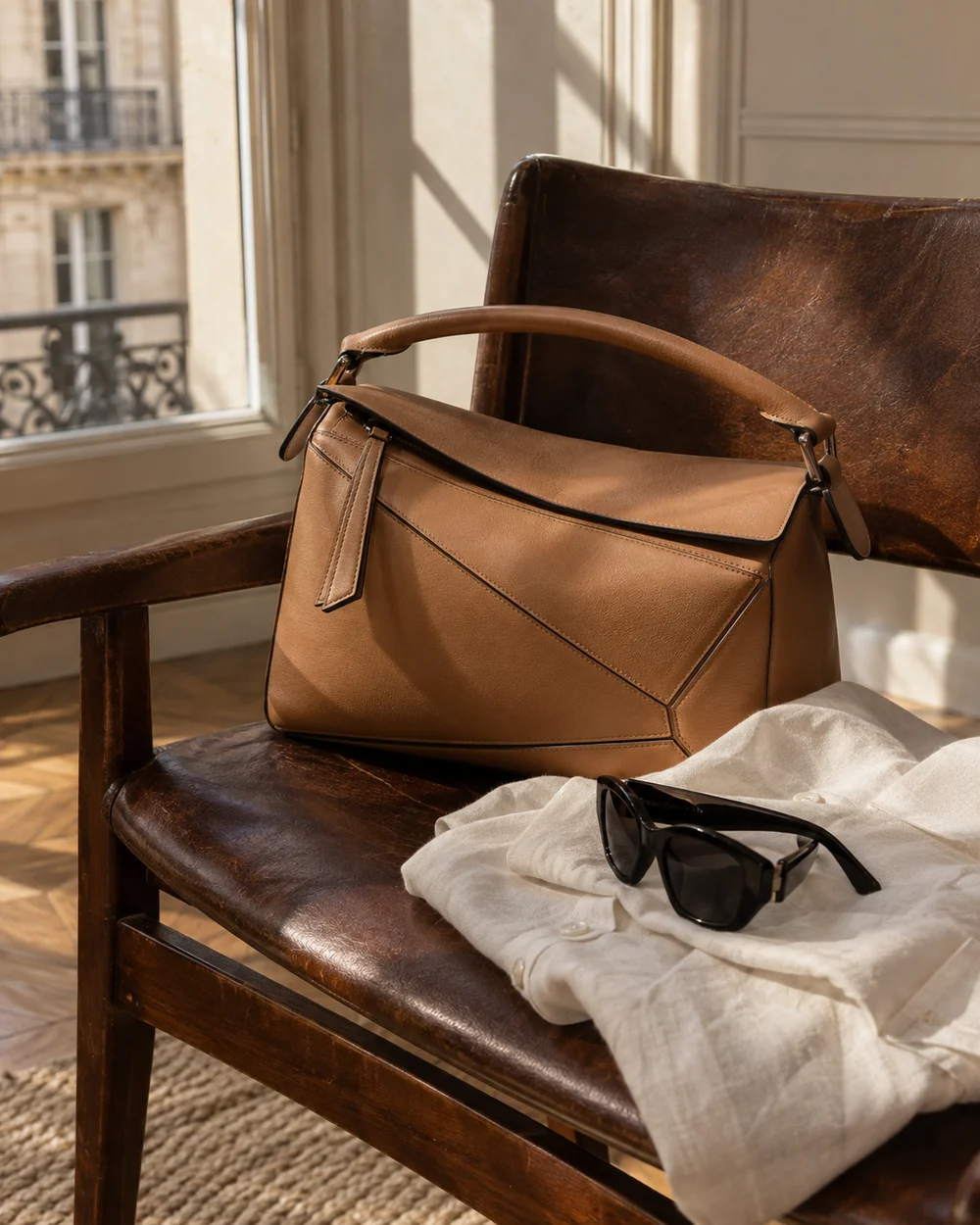
A beautiful bag on an ivory background. A watch you pause to look at. The small satisfaction of seeing two pieces work together. Those moments gave us a starting point: build a shopping experience where the browsing and choosing can be the whole occasion.
Cart to Nowhere is our version of that idea. It is a free luxury shopping simulator with familiar designer names, reference prices, a bag, offers, a demo checkout and a virtual parcel. The order goes nowhere. The collection stays on your screen.
Begin with the objects.
We wanted the storefront to feel considered. That meant generous photography, readable type and room around each piece. You enter through Women or Men, then follow your own taste across both collections. Those entrances are editorial choices; we do not ask you to create a gender profile.
The catalog brings together bags, watches, jewelry, sunglasses, travel pieces and makeup. Real brand and product names make the references recognizable. Each product has a source for its displayed price, and the site is independent of all featured brands. Nothing here is an offer from a retailer.
Let the ritual reach an ending.
Ordinary window shopping can finish at a wishlist or an abandoned basket. We wanted this version to continue. Choose your pieces, open your simulator offers, review the bag and complete the demo checkout. A virtual parcel opens, an imaginary journey unfolds and a receipt becomes a keepsake you can download.
The payment panel is already filled with demo details. It never charges a card. You can skip the delivery animation, and the order is available immediately in your browser’s collection. The walkthrough shows each step.
Leave the door open.
Guest shopping was part of the idea from the beginning. You should be able to look around and complete the regular shopping experience without an account, an email address or payment credentials. Optional accounts and drop updates sit alongside that experience.
Your bag, saved edit and order history live in the browser you use. Signing in does not move that history to another device. Drop email updates require a separate opt-in, and Analytics has its own consent choice. The privacy page explains those boundaries.
A reason to look again.
The Friday Drop gives a small selection its own moment. Its limited quantities are shared digital allocations inside the simulator, not claims about physical stock at a fashion house. A saved piece or an item in your bag is not a reservation.
The Edit adds another way to spend time here: follow a collection, read why the pieces sit together, then change the selection yourself. Our first $10,000 dream cart starts with six objects and a simple palette. Your version can look completely different.
A place to play with taste.
You may have found us through the phrase dopamine shopping, or while looking for a fake shopping website. Those terms describe a style of online entertainment. We are not promising a neurological effect, a treatment or a change in spending habits.
The invitation is simpler: take a little time with beautiful objects. Choose what catches your eye. Finish the order if you feel like it. Keep a collection of things that were enjoyable to choose, with nothing due at your door.
Where would you begin?
Take a look around. Start with a single piece, or see where our first dream cart takes you.